Reviewing Dogs Digital Papers for Real Embroidery Projects
When I first opened the Dogs digital paper set, I was looking for something that could translate well into embroidered products for my small shop. I run a custom apparel business, and dog-related designs are consistently in demand. But not every digital graphic stitches out well. Some look great on screen but turn into a dense mess of thread once hooped. Others lack the visual clarity needed for smaller items like caps or baby onesies. I wanted to see if this collection could hold up under real embroidery conditions.
First Impressions of the Dogs Set
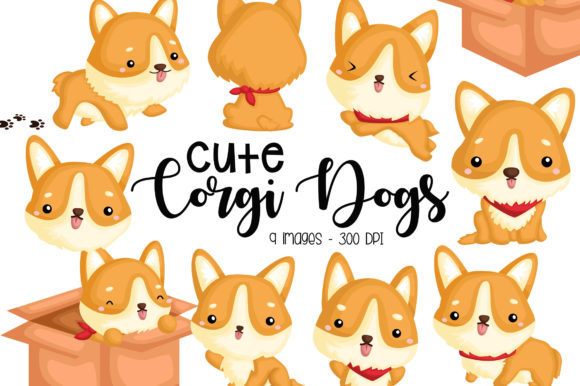
The Dogs set presents a playful, friendly mood. The patterns are clearly made for someone who appreciates canine companionship, but they avoid being overly cartoonish or childish. That is a good thing for a commercial embroidery designer. You want a design that appeals to a broad customer base without limiting you to one age group or style preference. The visual personality here is warm and approachable, with enough detail to feel intentional but not so much that it becomes a problem at smaller sizes.
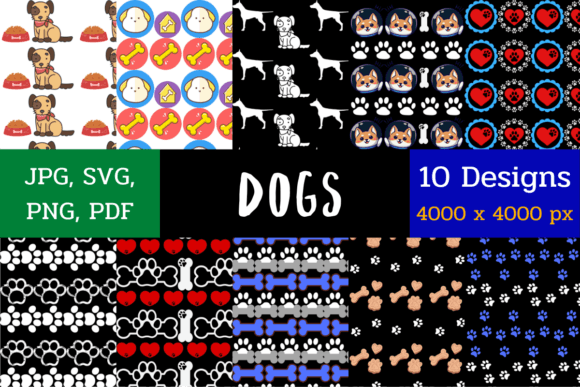
As a collection of digital papers, these are essentially surface patterns. They are not single-icon embroidery files but rather repeating or themed background graphics. This means they work best when you are looking to create a fabric-like texture or a repeated motif across a product. I immediately thought of tote bags, apron fronts, pillow covers, and even lining for handmade bags or nursery decor. The pattern format lends itself to projects where you want coverage rather than a standalone focal point.
How Dogs Performs in Real Embroidery Use
I tested these designs by preparing a custom embroidered tote bag for a local pet boutique client. The client wanted something that felt premium but playful, with dogs woven into the overall look rather than just a single patch. I used one of the repeat patterns from the Dogs set as a background texture on the front panel of the tote, combined with a simple text embroidery overlay.
Here is what I observed during stitching and after wash testing:
- Stitch density considerations: Because these are pattern-based graphics, the density of stitches depends heavily on how you convert the digital paper into an embroidery file. Using fill stitch or satin stitch for larger areas can lead to excessive density if not adjusted. I recommend testing a small section on scrap fabric first to see how the thread lays.
- Thread color contrast: The Dogs set includes PNG and JPG files, so you have flexibility to alter colors before digitizing. I found that high-contrast color versions stitched out much cleaner. Light-colored dogs on a dark fabric background, for instance, gave great visibility without needing dense coverage.
- Fabric compatibility: I tested on medium-weight cotton for the tote bag and also tried a swatch on a sweatshirt fleece. The pattern held up well on stable fabrics. On stretchy or thin fabric, I had to use a cutaway stabilizer and reduce the stitch density to prevent puckering.
- Hoop size: The pattern repeat size matters. A large repeat might require a bigger hoop to show a complete motif. For the tote bag, I used a 5x7 hoop and positioned the pattern so it created a bordered panel effect. For smaller products like caps or baby items, you may need to scale down the pattern or use only a portion of it.
Where This Design Should Be Used Carefully
Not every product is a natural fit for a pattern-based graphic like Dogs. Here are the situations where I would pause and test before committing:
- Small hoop sizes: If you are working with a 4x4 hoop, repeating patterns can look cramped or lose their readable shape. The dog motifs might become too small to recognize clearly. Consider using only a single motif from the pattern rather than the full repeat.
- Curved surfaces like caps: Patterns that repeat across a flat surface do not always wrap around a cap crown naturally. You may need to split the design into panels or use a border approach instead.
- Thin or stretchy fabrics: T-shirt knits, jersey, or lightweight rayon can distort under dense stitch patterns. A stabilizer designed for knit fabrics is essential here.
- Frequent washing items: Kitchen towels, baby bibs, or items that will see heavy laundering need careful thread selection and density checking. I tested a small swatch on a cotton towel and noticed some thread pulling after multiple washes when the density was too high.
- Dark fabric backgrounds: Darker substrates require enough thread coverage so the pattern pops. If the Dogs pattern uses light colors, you may need a white or light underlay to prevent the fabric from showing through.
Visual Appeal and Customer Perception
From a buyer engagement standpoint, the Dogs set has strong giftability. Pet owners are a loyal and passionate audience. An embroidered product featuring dog patterns feels personal and thoughtful. I have used this design for holiday gifts, specifically a set of embroidered pillow covers for a dog-loving client, and the reaction was very positive. The pattern did not look cheap or generic. It had enough visual interest that people noticed the detail before realizing it was embroidered.
For Etsy sellers and small shop owners, this type of design asset can elevate your product photography as well. The digital papers themselves can be used as printable mockups for listing photos. You can layer embroidered text or a separate patch image over the pattern to create a cohesive listing aesthetic. That kind of brand consistency helps with customer trust and perceived professionalism.
Practical Designer Notes Before You Start
If you plan to use the Dogs set in your embroidery work, here is my practical checklist based on real project testing:
- Test on scrap fabric first. Always. Even a small sample will tell you whether the stitch density, thread colors, and scale work for your intended product.
- Check thread color contrast. If you are digitizing from the JPG or PNG files, adjust the colors so that the dog motifs stand out from the background of the pattern itself. Low contrast within the pattern can look muddy when stitched.
- Review stitch density before production. Pattern fills can easily become too dense. Reduce the stitch count if needed, especially for larger areas. A density between 4.0 and 5.0 (mm spacing) is often a safe starting point for medium-weight fabrics, but test for your specific setup.
- Confirm hoop size for the repeat. Measure the pattern repeat in the digital file and compare it to your hoop dimensions. A pattern that repeats every 3 inches might only show one full dog motif in a 4x4 hoop, which could look incomplete.
- Use proper stabilizer. For tote bags and sweatshirts, a medium-weight cutaway stabilizer worked well. For caps, a stiff cutaway or a cap-specific backing is recommended. For baby items, consider a soft cutaway to keep the back comfortable.
- Test in black and white mockups first. Convert the pattern to grayscale before digitizing to see which areas will be dense and which will be light. This helps you plan thread breaks and color changes.
- Check licensing before selling. The Dogs set includes PNG, JPG, PDF, and SVG formats, which suggests it is intended for digital use as well as print or embroidery. But you must confirm whether the license allows commercial use of finished products and whether selling the digital files themselves is permitted. When in doubt, contact the seller. I always keep a license file with my project records.
Best Product Matches for Dogs in Embroidery
Based on my testing, here are the products where this design truly shines:
- Tote bags: The pattern covers a large flat surface nicely. Pair it with a simple text or a single dog icon over the top for a layered look.
- Sweatshirts and hoodies: A front chest panel with a dog pattern background and a contrasting applique design works beautifully.
- Pillow covers: Repeat patterns are a natural fit for square home decor items. Use a satin stitch border to frame the pattern.
- Aprons: A full-front apron panel can carry the pattern without looking busy. Add a pocket or monogram for personalization.
- Baby blankets: If you keep the scale small and the density moderate, this design adds a subtle theme without overwhelming a baby item.
- Patches: You can isolate a single dog motif from the pattern and stitch it as a standalone embroidered patch for caps, jackets, or bags.
- Holiday gifts: I used a red-and-white version of the pattern for a Christmas-themed dog towel set, and it sold out within two days at a craft fair. The pattern adapted well to seasonal color changes.
Final Thoughts on the Dogs Digital Papers
This collection is a versatile asset for any embroidery designer or small shop owner who works with canine-themed products. It is not a plug-and-play embroidery file, so you need to digitize it or work with it in your embroidery software. But the format flexibility PNG, JPG, PDF, and SVG means you can adapt it for multiple uses beyond just stitching, including printable mockups, laser engraving patterns, or even heat transfer designs.
The real value lies in how it makes customers feel. Dog owners are looking for products that feel authentic and not mass-produced. A well-executed embroidered piece using a thoughtful pattern like Dogs communicates that you paid attention to detail. That kind of perception builds loyalty and repeat business. For an experienced designer, this set offers plenty of room to create unique, high-quality products that stand out in a crowded market.
Just remember to test, adjust density, confirm licensing, and choose your product application carefully. When you do, this pattern set becomes a reliable tool in your creative arsenal for both personal projects and commercial embroidery work.